Upgrading Handheld Radio Battery Eliminator for High Current
I recently bought two car battery eliminators online that use the 12V power from a car’s cigarette lighter port to replace lithium batteries, for use with two Baofeng handheld radios respectively. One radio originally uses a 1S 3.7V lithium battery, the other uses a 2S 7.4V lithium battery.
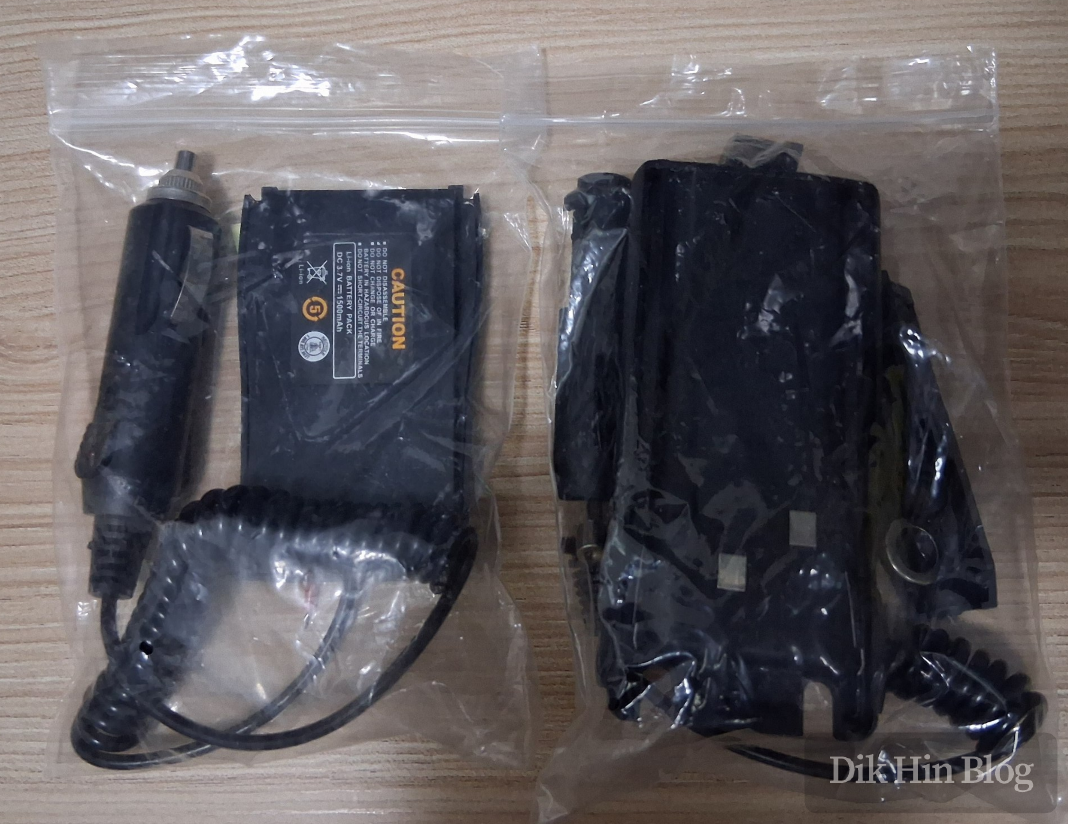
The Problem
I connected a 12V power supply to the eliminator, and as soon as I pressed PTT on the radio, it crashed and restarted. Initially I suspected the 12V power supply was the issue, but after switching to a higher current power supply and testing with a multimeter showing no problems, I started suspecting the eliminator itself.
Root Cause Analysis
After opening them up, I found the following:
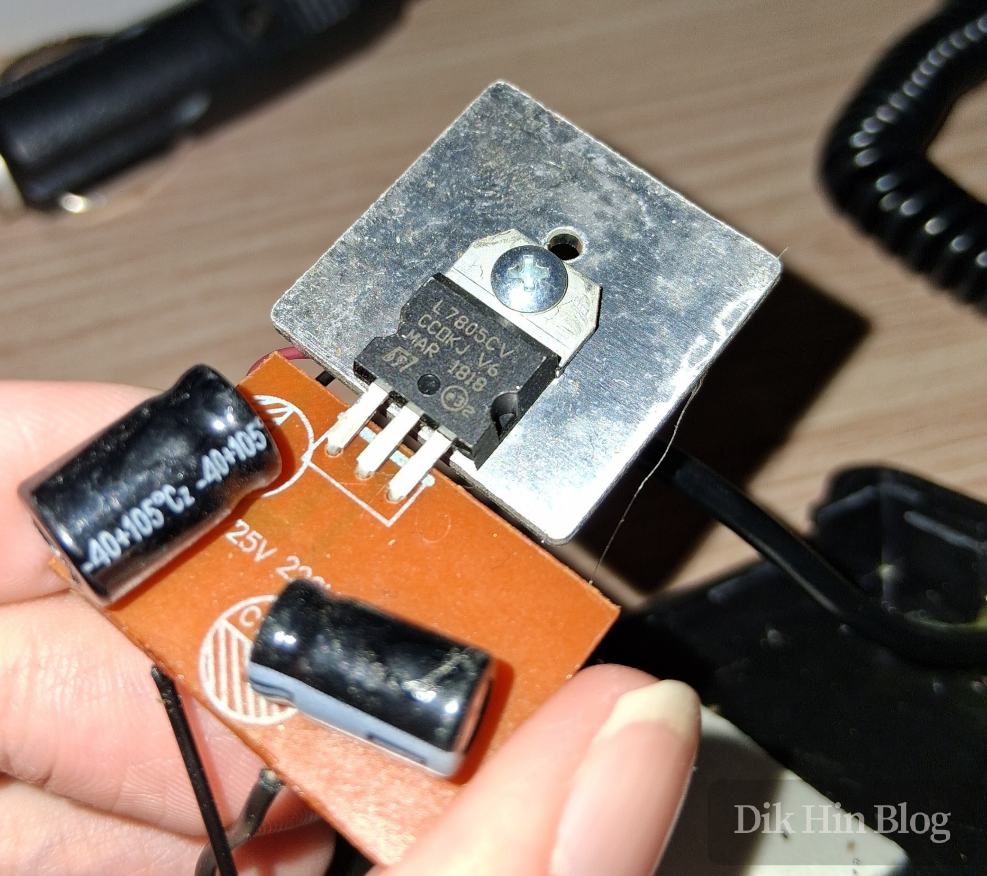
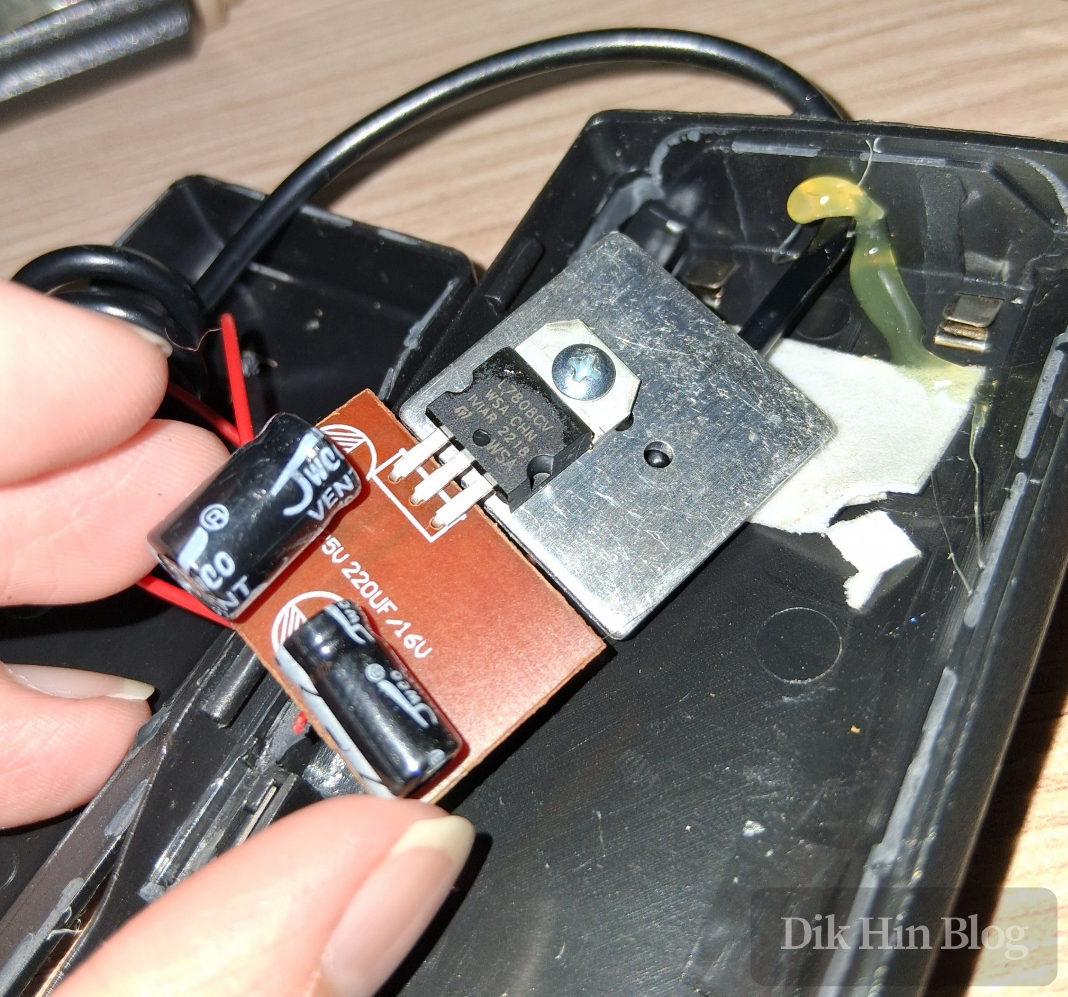
One used an L7805, the other an L7808 - these are 5V and 8V linear regulators. While linear regulators can avoid electromagnetic interference, there were clearly several issues here:
- These chips have a maximum output current of only 1.5A, and the ST logo doesn’t look genuine, so the actual current output capability is probably even lower - not enough for transmission current requirements
- A 1S lithium battery’s voltage range is 3.2V-4.2V, so supplying 5V directly to the radio is overvoltage. The 2S one getting 8V is within reasonable range
- Linear regulators are power-inefficient - the voltage difference × current is directly converted to heat
Upgrading to MP1584 Buck Module
So I decided to replace them with a better solution. I bought a few cheap MP1584 switching power modules online. According to the official datasheet, the output current can reach 3A, with peak current limits of 4.0-4.7A (peak current = output current + inductor peak-to-peak ripple current/2). The maximum switching frequency is 1.5MHz, but looking at the module, there’s a 100K resistor connected from the FREQ pin to ground. Calculating from the formula in the datasheet, it’s approximately 910KHz.
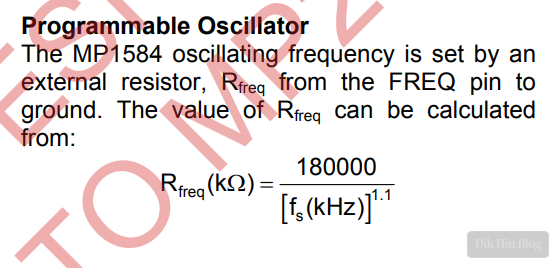
This frequency is relatively high for switching power supplies. Additionally, adding extra capacitors to the input and output should make it fine. Here’s the result after modification:
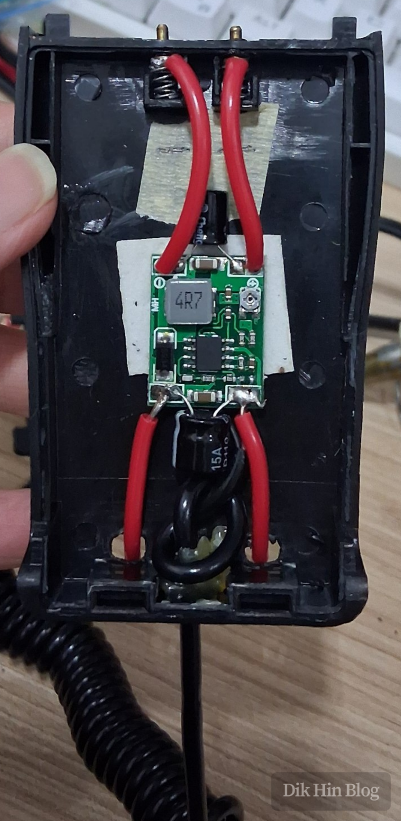
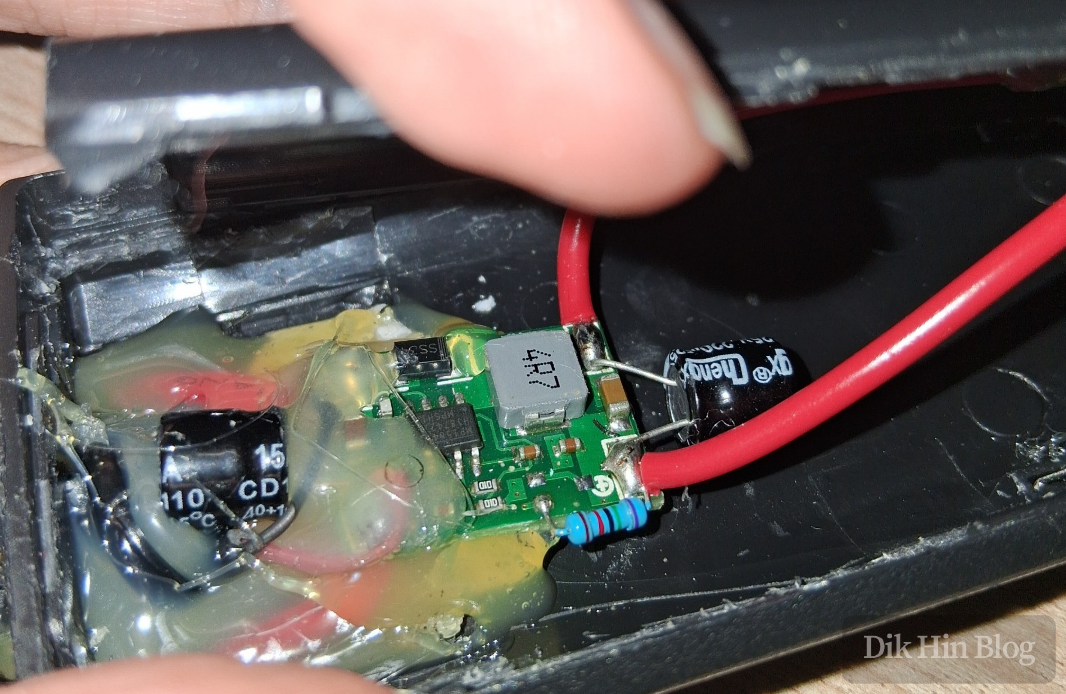
One adjusted to 4V, the other to 8V, replacing the original L78 series chips.
Troubleshooting Cigarette Lighter Power Cable
After the modification, the 4V radio could transmit normally and was fairly stable, but the 8V one was unstable. Continuing to troubleshoot, I found that the power cable between the cigarette lighter port and the buck module had too much voltage drop - 12V at the cigarette lighter end, and once current increased, less than 9V reached the module end. After opening it up, the power cable was indeed too thin - estimated 28-30AWG, with no proper markings.
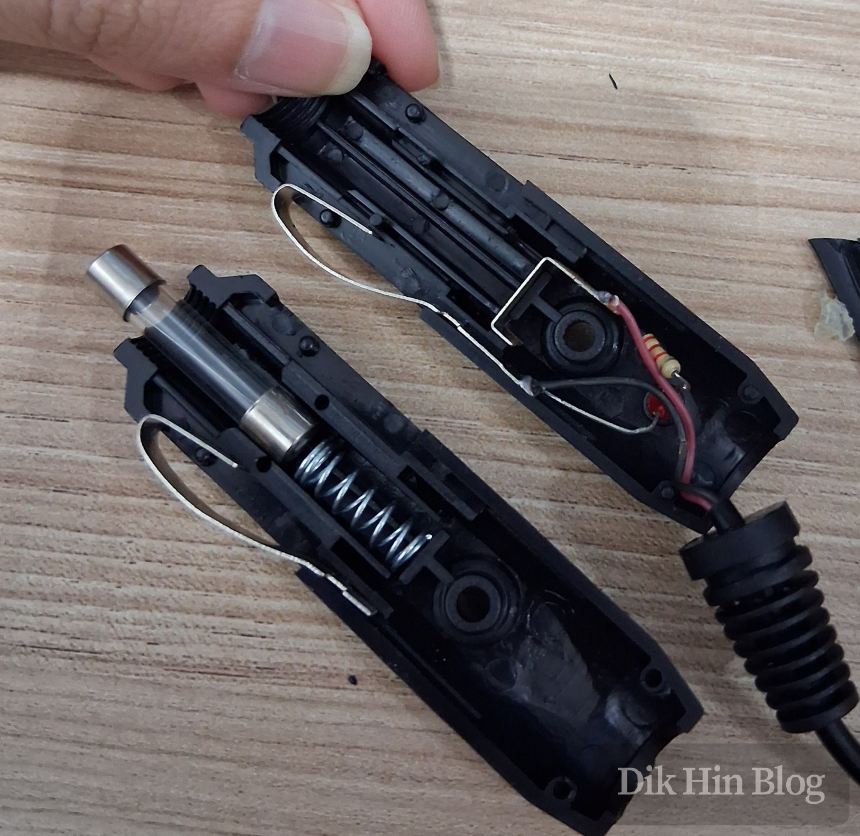
So I replaced it with a DC5.5 jack, abandoning the original connector.
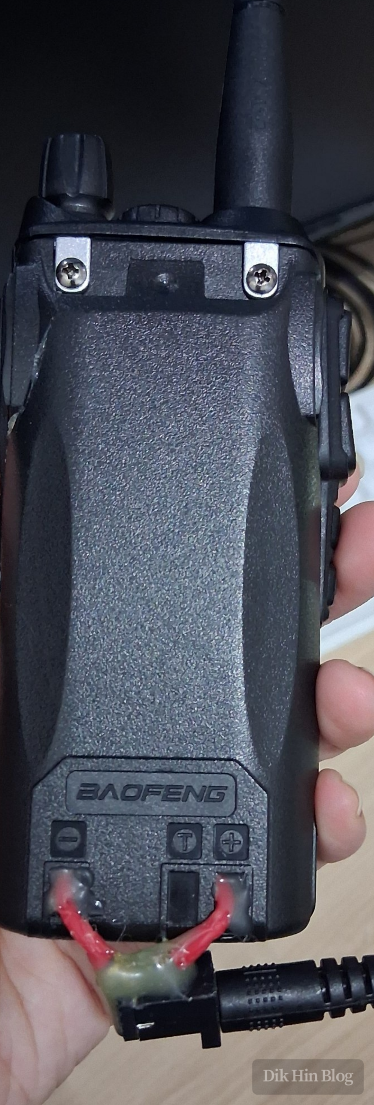
Now it transmits stably - problem solved!